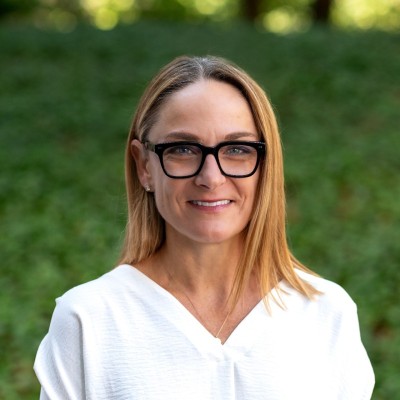
Moises Frois
EHR Integration Program Manager
MEDITECH and Epic
View BioThe Moment
When a health system has been live on an ERP platform for three or four years and is changing support partners, the risk isn’t the platform. It’s that they’ve already learned not to lean on the people supporting it.
That’s the situation that I walked into. We just signed a new ERP client that transitioned long standing support from a competitor to Healthcare IT Leaders. As we stood up the engagement, I was closely tracking incoming volume and patterns. Over the first few months, I noticed that the volume was ordinarily low. Low hours, work trickling in, and no clear reason why.
It took me three or four months to get enough perspective to see what was really going on and I realized that it wasn’t a workload or scoping problem, as I originally thought. The issue was that the client was wary of handing us anything, because of what they’d lived through with the provider before us.
I figured this out through the positive feedback we were receiving. My team repeatedly kept hearing phrases like “thank you for being so responsive”, and “thank you for being so engaged”.
It took me a few months to really understand the impact of that feedback. To me, being responsive and engaged is the bare minimum. That’s what we’re meant to do. When a client is grateful for the minimum, you’ve learned something about what they had before you got there. It sheds light on what the job we were actually hired to do, one that isn’t just a technical support function.
“Establishing a good relationship with people and connecting with them first is the way to start. You do good work on top of that, and it just builds from there.”
3 Years
Workday Continuous Managed Services Agreement
The work
This client had already been on their ERP system for several years and were transitioning off a former provider, and the low volume early on was the tell: they’d gotten used to carrying more of it themselves because the partner before us wasn’t that helpful and wasn’t that engaged. Basic things weren’t happening.
We came into the engagement and began doing the basic things, well. We set up a standing meeting cadence every two weeks. The team provided clear, direct answers when something was falling behind, and addressed it quickly instead of explaining it away. And I made myself reachable at all moments by phone, text, or whatever avenue best suited the client.
The feedback I started hearing was “thank you for being so responsive,” which told me plenty about what they’d been living with. We started to build trust and raise the level of expectation that the client could depend on. The work picked up from there, and the hours came with it.
Fast forward ten months and we’ve established a strong, reliable relationship with the client. They’ve had us deliver an additional Phase X implementation that was successful with a second phase being scoped now, and we’re in conversations about extending into monitoring services. When something new comes up, they’re not going out for other bids. They come to us and ask for a quote.
I know where each of them the client counterparts are from. I know about their families. I carve out time on calls to ask about them and their lives, and I do that with everyone I work with. It's an equal part of the job to me. I don't know how else to operate.
Low hours early in an engagement can look like a scoping problem when it's actually a trust problem. If a client isn't sending you work, find out what happened before you got there.
A cadence every couple of weeks isn't the relationship. Being reachable when something comes up is what clients actually thank you for.
When we're falling behind somewhere, we say it and we address it quickly. That's what makes the good news believable later.
They have their own challenges, personally and professionally. You're not managing an account. You're working with people who have a lot going on.
what it takes
I know where each client counterparts are from. At the end of the day, our work is about relationships and supporting the people tasked with big responsibilities. Our job is to make their day-to-day easier.